

perspiration Gun Show Ready. Biceps ready Baby, bliss
Making Muscles and Memories. And maybe a few splashes of sweat.
Here’s a sample routine you can try 2-3 times per week, allowing for rest days in between:
- Barbell Curls: 3 sets of 8-12 reps
- Dumbbell Hammer Curls: 3 sets of 10-15 reps per arm
- Incline Dumbbell Curls: 3 sets of 10-15 reps
- Concentration Curls: 3 sets of 12-15 reps per arm
- Cable Curls: 3 sets of 12-15 reps
Important Considerations: why perspiration though?
- Warm-up: Before starting, do some light cardio and arm-specific warm-up exercises like arm circles and wrist rotations.
- Cool-down: After your workout, stretch your biceps and forearms.
- Listen to your body: If you feel any pain, stop the exercise.
- Nutrition and Rest: Proper nutrition and adequate rest are essential for muscle growth and recovery.
https://www.nhs.uk/live-well/eat-well/food-guidelines-and-food-labels/the-eatwell-guide
SGPT with Hustle Fitness Belfast. The no1 format for amazing results in the Belfast area
Samaritans | Every life lost to suicide is a tragedy | Here to listen
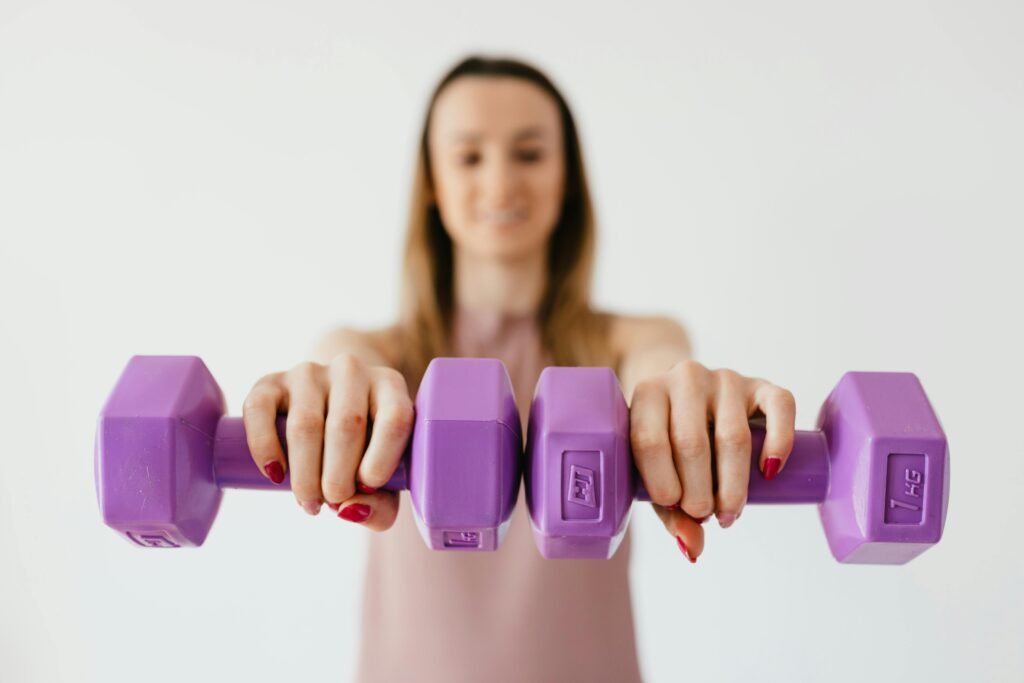
Rehydration after a workout is crucial for recovery and overall health because exercise causes you to lose significant amounts of fluid and electrolytes through sweat.
Here are the key physiological reasons to prioritize rehydration:
1. Replenish Lost Fluids and Electrolytes
- Prevent Dehydration: Exercise, especially intense or prolonged activity, leads to fluid loss (sweat) that can be equivalent to a loss of several pounds of body weight. Replacing this fluid is the fundamental step to restore your body’s water content.
- Restore Electrolyte Balance: Sweat isn’t just water; it contains vital electrolytes like sodium and potassium. These minerals are essential for:
- Muscle Function: They facilitate nerve signals that trigger muscle contractions. Low levels can lead to muscle cramps and spasms.
- Fluid Balance: Sodium, in particular, helps your body retain the fluids you drink, preventing it from being immediately lost through urine.
2. Aid in Muscle Repair and Recovery
- Nutrient Transport: Water is the medium through which all nutrients (like carbohydrates and protein) are transported to your cells, including your stressed muscle fibers. Proper hydration ensures your muscles get the resources they need for protein synthesis and repair micro-tears, speeding up recovery.
- Flush Out Waste Products: Adequate fluid intake helps your kidneys and circulatory system flush out metabolic byproducts like lactic acid and ammonia, which build up during intense exercise and contribute to fatigue and soreness (DOMS).
3. Maintain Body Temperature Regulation
- Cooling System: Sweating is your body’s way of cooling down. Rehydrating helps replenish the water volume needed for effective sweating, allowing your body’s internal temperature to return to a normal, safe range. Dehydration impairs this cooling mechanism, increasing the risk of heat exhaustion.
4. Support Optimal Bodily Functions
- Cardiovascular Health: Dehydration decreases your blood volume, forcing your heart to work much harder to pump the remaining, thicker blood to your working muscles and organs. Rehydration restores blood volume, lowering your heart rate and reducing strain on your cardiovascular system.
- Cognitive Function: Even mild dehydration can impair concentration, mood, and decision-making abilities. Hydration ensures your brain has the water it needs to function clearly.
- Joint Health: Water is a key component of synovial fluid, the lubricant around your joints. Rehydration helps maintain this lubrication, protecting your joints and supporting flexibility.
In short, rehydration is the foundation that allows all other recovery processes (like eating a good meal and resting) to work efficiently.